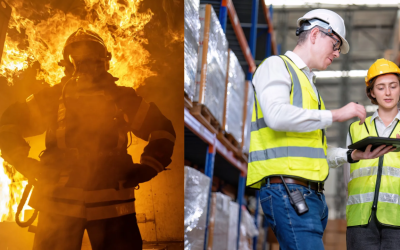

Handling hazardous substances is critical for industries like agriculture, manufacturing, healthcare, and laboratories across Australia. However, improper hazardous goods storage can result in chemical spills, fires, or harm to employees and the environment. In Australia, comprehensive regulations ensure that businesses prioritize chemical storage safety to protect people and communities.
Using purpose-built safety cabinets is essential for compliance and safety. These cabinets are designed to meet Australian-specific standards, prevent cross-contamination, and reduce workplace risks. This guide will help you navigate local regulations and implement best practices for storage for hazardous substances in your workplace.
Understanding Australian Regulations and Compliance
Key Australian Regulations Governing Hazardous Substances
Complying with Australia’s regulatory framework is essential for safe hazardous substance storage. Key regulations include:
- Work Health and Safety (WHS) Act 2011 Administered by Safe Work Australia, this legislation requires businesses to manage risks associated with hazardous chemicals. This includes providing Safety Data Sheets (SDS), employee training, and using compliant storage solutions like chemical storage cabinets.
- Australian Standard AS 1940-2017 Specifies requirements for storing flammable and combustible liquids, including cabinet construction, ventilation, and segregation. All flammable liquid storage cabinets must comply with this standard.
- Globally Harmonised System (GHS) Mandates proper classification, labelling, and safety data sheets for hazardous chemicals across Australia.
- Australian Dangerous Goods Code (ADG Code) Governs the transport and temporary storage of dangerous goods, ensuring safe handling throughout the supply chain.

Importance of Compliance in Australia
Adhering to Australian regulations protects your workforce and demonstrates due diligence. Proper chemical storage safety practices reduce workplace incidents and simplify compliance audits. Non-compliance can result in significant penalties under WHS legislation, with fines reaching hundreds of thousands of dollars for serious breaches.
Best Practices for Storing Hazardous Substances in Australia
Location and setup are vital for effective hazardous goods storage in Australian conditions.
- Ventilation Many hazardous substances emit toxic vapours that can accumulate in poorly ventilated spaces. Under Safe Work Australia guidelines, storage areas must have adequate airflow to prevent dangerous concentrations of fumes. For indoor storage, use purpose-built ventilated safety cabinets with adjustable vents or ducting systems to redirect vapours outdoors. In outdoor settings, avoid enclosed sheds and opt for open-sided shelters with natural airflow.
- Segregation Store incompatible substances separately according to AS 1940-2017 requirements. For example, oxidizers and flammables must be kept in separate storage areas or compartments to prevent dangerous reactions.
- Access Control Under the WHS Act 2011, businesses must limit access to hazardous substances to trained personnel. Implement these measures:
- Use lockable cabinets, such as industrial safety cabinets, with restricted key access
- Post clear GHS hazard signage to warn unauthorized personnel
- Store access codes with designated safety officers only
- Climate Considerations Australia’s diverse climate—from tropical Queensland humidity to South Australian heat—can degrade containers or destabilize chemicals. Indoor storage is preferred, but for outdoor requirements, use weatherproof storage solutions designed for Australian conditions.
Use of Approved Containers and Cabinets
Selecting Australian-compliant storage solutions is crucial for minimizing risks and ensuring adherence to local regulations.
Certified Cabinets Under AS 1940-2017, all cabinets must meet strict design and construction criteria. Flammable liquids require cabinets with features like 1.2mm thick steel walls, self-closing doors, and dual-walled construction to resist fires for specified periods. Our flammable goods cabinets are rigorously tested to exceed AS 1940-2017 standards, ensuring they can safely contain spills and suppress vapours.
Similarly, corrosive chemicals need cabinets made from chemically resistant materials. Our corrosive storage cabinets feature specialized coatings and materials designed for Australian workplace conditions.
Secondary Containment Australian regulations require secondary containment, such as spill trays or sumps, to capture accidental releases. Quality safety cabinets include integrated spill containment features to prevent leaks from escaping the storage area. Regularly inspect these containment systems and ensure they remain free of damage.
Labelling The GHS mandates clear labelling with hazard pictograms, signal words, and precautionary statements. Australian workplace labels must include the substance’s hazard classification and supplier identification. Use durable, weather-resistant labels and update them whenever substances are added or removed.
Case Study: Bradbury Industrial Services – A $2.9 Million Lesson
Huge industrial fire in Melbourne’s north / credits : abc.net.au
The 2019 Campbellfield factory fire serves as a stark reminder of the consequences of inadequate chemical storage practices. Bradbury Industrial Services Pty Ltd was fined $2.9 million after a chemical fire burned for four days, closed nearby schools and injured two workers. The incident occurred when a worker was decanting highly flammable toluene, resulting in a massive explosion and fire.
WorkSafe’s investigation found deficiencies in the storage of more than 10 million litres of chemicals – including bulk containers stacked up to four-high, incompatible dangerous goods stored in close proximity and swollen, damaged and leaking containers. The investigation also revealed inadequate fire protection, spill containment and ventilation systems across five warehouse locations.
This case demonstrates how proper chemical storage safety practices, including using compliant storage cabinets and implementing proper segregation systems, could have prevented this catastrophic incident. The company’s failure to follow Australian dangerous goods storage requirements resulted in one of the largest workplace safety fines in Victorian history.
Conclusion
Effective hazardous substance storage in Australia requires adherence to WHS legislation, AS 1940-2017, and GHS standards. By investing in certified storage solutions and following best practices, businesses can protect employees, avoid penalties, and contribute to safer Australian workplaces.
Ready to upgrade your storage? Browse our range of Australian-designed safety cabinets or contact our team for expert guidance on compliance requirements.
Regulatory Resources
- Safe Work Australia | Hazardous Chemicals: https://www.safeworkaustralia.gov.au/safety-topic/hazards/hazardous-chemicals
- Australian Standards: https://www.standards.org.au/
- GHS Australia: https://www.safeworkaustralia.gov.au/safety-topic/hazards/chemicals/classifying-chemicals
- WorkSafe Victoria – Bradbury Case Study:https://www.worksafe.vic.gov.au/news/2023-06/29-million-fine-chemical-fire-and-stockpiles