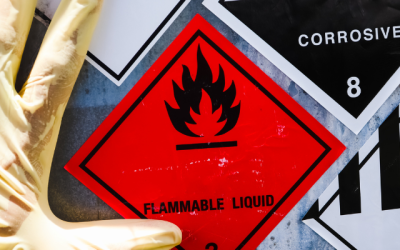

Is the transport sector prepared to manage the risks of moving hazardous materials? The transport of dangerous goods can threaten workers, the public and the environment unless proper controls are in place.
Effective risk management relies on a clear understanding of regulations, correct procedures and the right safety products. In Australia, compliance with the Australian Dangerous Goods Code is a legal requirement and a duty to protect public safety on the road.
For practical advice, training and safety products, contact our experts on 1800040507 or visit https://thesafetycabinetwarehouse.com.au/.
Key takeaways
- Recognise and classify the dangerous goods you transport.
- Follow regulations, use the correct documentation and placarding.
- Equip vehicles and staff with appropriate safety gear and training.
- Plan for emergency response to protect people and the environment.
Understanding Dangerous Goods Classifications
Dangerous goods are organised into classes according to the primary hazard they present. A clear classification system makes it easier to choose the correct packaging, handling and transport measures for each product.
The Nine Classes of Dangerous Goods
The recognised classes are:
- Class 1: Explosives
- Class 2: Gases
- Class 3: Flammable Liquids
- Class 4: Flammable Solids
- Class 5: Oxidising Agents and Organic Peroxides
- Class 6: Toxic and Infectious Substances
- Class 7: Radioactive Materials
- Class 8: Corrosive Substances
- Class 9: Miscellaneous Dangerous Substances
Common Examples in Australian Transport
Typical dangerous goods moved on Australian roads include flammable liquids such as petrol and diesel, and corrosive substances like certain acids and alkalis. Gases (Class 2) used as industrial materials and some toxic materials also appear frequently in freight movements.
Subsidiary Risk Categories
Many consignments carry a subsidiary risk in addition to their primary class — for example, a flammable liquid that is also toxic. These subsidiary risks must be recorded and shown on shipping documents, labels and emergency information.
Identifying Dangerous Goods in Your Operations
Accurate identification is the first step in compliance. Use supplier information and the product’s Safety Data Sheet to confirm the classification, UN/ADR number and handling requirements.
Using Safety Data Sheets
Safety Data Sheets (SDS) set out the hazards, UN number, packing group and first-aid or emergency measures. Practical tip: add the SDS reference and UN number to your vehicle’s checklist so drivers and handlers can find critical data quickly in an incident.
Risk Assessment Procedures
Conduct a written risk assessment for each product and transport task: identify the hazard, assess likelihood and consequence, then select controls (packaging, segregation, PPE and emergency arrangements). Record the outcome and review it whenever the product, route or method changes.
For expert advice, training and safety products, contact 1800040507 or visit https://thesafetycabinetwarehouse.com.au/.
Australian Regulatory Framework for Dangerous Goods
Australia regulates the transport of hazardous materials under a national framework designed to protect people, property and the environment. Compliance with these regulations is essential for safe road transportation and for avoiding legal penalties.
The Australian Dangerous Goods Code (ADG Code)
The ADG Code is the primary national standard for transporting dangerous goods by road and rail. It sets out classification, packaging, labelling, placarding and documentation requirements that align Australia with international standards.
Recent Updates and Changes
The ADG Code is periodically revised to reflect international changes and improved safety practice. Recent updates have tightened rules for classification, updated labelling and placarding requirements, and reinforced training expectations for handlers and drivers.
Compliance Requirements
Key obligations under the ADG Code include:
- Correct classification and packing of goods according to their class and UN number.
- Accurate transport documentation and shipping documents showing UN numbers, packing group and emergency instructions.
- Proper labelling and vehicle placarding and adherence to loading and segregation rules.
(Tip: keep the current ADG Code edition reference on file and ensure procedures are updated after each revision.)
State and Territory Variations in Regulations
While the ADG Code provides a national baseline, states and territories may impose additional requirements — for example, specific permits, local route restrictions or differing enforcement practices. Transport operators must check state rules before planning a trip across jurisdictions.
Key Differences Between Jurisdictions
- Some states require special permits for certain classes or quantities of goods.
- Route restrictions or time-of-day controls may apply to vehicles carrying specified dangerous goods.
Interstate Transport Considerations
When transporting goods interstate, ensure you carry the correct shipping documents, display the appropriate placards, hold any required permits and confirm permitted routes. Keep digital and printed copies of documents and an up-to-date SDS for each consignment.
For tailored advice on dangerous goods regulations, interstate transport planning and compliance, contact 1800040507 or visit https://thesafetycabinetwarehouse.com.au/.
Essential Safety Equipment for Transporting Dangerous Goods
Safe transport of dangerous goods depends on planning and the right safety equipment. Use this checklist to ensure vehicles and people are prepared to handle incidents and comply with requirements.
Personal Protective Equipment Requirements
PPE is mandatory where handlers or drivers may be exposed. Required items vary by class but commonly include chemical-resistant gloves, splash-proof goggles, protective overalls and respirators where vapour or dust risks exist.
Class-Specific Protection Needs
Match PPE to the class and packing group: for corrosive substances (Class 8) use acid-resistant garments; for toxic materials (Class 6) include appropriate respirators and sealed suits.
Maintenance and Inspection of PPE
Inspect PPE before each shift for tears, degraded seals or expired filters. Replace damaged items immediately and keep a log of PPE maintenance.
Vehicle Safety Equipment
Vehicles transporting dangerous goods must carry equipment that enables immediate action and informs responders.
Fire Suppression Systems
Where required by the ADG Code or local rules, install and maintain fire suppression systems and carry portable extinguishers rated for the goods being moved. Check service dates and pressure gauges regularly.
Emergency Information Panels
Emergency information panels and emergency response guides must be visible and up to date. Ensure panels list UN numbers, dangerous goods marks and immediate actions for first responders.
Containment and Spill Management Tools
Carry spill kits sized and equipped for the materials transported. Kits should include absorbents, neutralisers, containment booms, PPE and a means to safely store recovered product.
Spill Kits for Different Dangerous Goods
Chemical spill kits differ from oil spill kits; choose the kit that matches your materials and provide clear instructions for use in the vehicle’s emergency folder.
Environmental Protection Measures
Plan to prevent contamination of drains and waterways: carry portable bunding and ensure drivers know containment procedures to protect the environment.
For further guidance on safety equipment, containment means and meeting Australian standards, contact 1800040507 or visit https://thesafetycabinetwarehouse.com.au/.
Proper Documentation and Labelling Requirements
Correct documentation and labelling are essential for legal compliance and safe emergency response.
Transport Documentation Essentials
Every consignment must be accompanied by shipping documents that state the UN number, proper shipping name, class, packing group, quantity and emergency instructions. Example line (anonymised): “UN1203, Petrol, Class 3, PG II, 500 L — see SDS: Ref 12345”.
Record-Keeping Requirements
Retain transport records, training certificates and incident logs for the period required by local law; accurate records support audits and incident investigations.
Placarding and Marking Guidelines
Display vehicle placards and package markings that show the class, UN number and dangerous goods marks as required by the ADG Code. These make the hazard and number clear to emergency services.
Vehicle Placarding Requirements
Apply placards in prescribed locations and replace damaged signs. Check numeric UN numbers match the shipping documents before departure.
Package Marking Standards
Mark packages with correct labels, handling instructions and any subsidiary risk marks so handlers know how to store and unload safely.
For tailored advice on PPE, containment and documentation requirements for your materials, call 1800040507 or visit https://thesafetycabinetwarehouse.com.au/.
Dangerous Goods in the Transport Sector: Training Requirements
Competent people are central to safe transport of dangerous goods. Drivers, loaders and handlers must understand the classification, packaging and emergency measures for each product they move to reduce risk on the road.
Mandatory Training for Drivers and Handlers
Anyone directly involved in transporting dangerous goods must complete accredited training. Courses cover classification, labelling, packing, segregation and basic emergency response so staff can manage consignments safely.
Licensing Requirements
Many operators must hold a recognised licence or certificate to transport certain classes or quantities of goods — check your state authority for specific Dangerous Goods licence requirements and application steps.
Specialised Training by Goods Classification
Training should match the goods: handling explosives or radioactive materials requires specialist instruction, while flammable liquids and corrosives need class-specific procedures and PPE training.
Refresher Training and Certification Maintenance
Refresher training keeps teams current with ADG Code updates and state rules. Record training dates and certificates centrally and schedule refreshers at intervals required by regulation or after any incident.
Frequency and Documentation
Follow the regulatory guidance for refresher frequency and retain training records to demonstrate compliance during audits or investigations.
Training Providers in Australia
Choose accredited providers with industry experience in TDG (transporting dangerous goods). Ask for course outlines, practical exercises and evidence of accreditation before booking.
Sign up for training or get course recommendations by calling 1800040507 or visiting https://thesafetycabinetwarehouse.com.au/.
Loading, Segregation and Stowage Practices
Correct loading, segregation and stowage reduce the chance of dangerous interactions during transit. Use segregation tables and documented procedures when planning any consignments.
Compatibility and Segregation Rules
Apply segregation rules to prevent incompatible materials being carried together — for example, keep oxidisers apart from flammable liquids and separate explosives from other classes.
Segregation Tables and Their Application
Use the ADG Code segregation tables to plan stowage. Include the UN number and packing group on your shipping documents to check compatibility quickly.
| ClassDescriptionSegregation Requirement | ||
| 1 | Explosives | Separate from other classes |
| 2.1 | Flammable gases | Avoid mixing with flammable liquids |
| 3 | Flammable liquids | Segregate from oxidisers |
Common Segregation Mistakes
Top mistakes: relying on memory rather than documentation, failing to check subsidiary risks, and poor load restraint. Training and a clear pre-departure checklist prevent these errors.
“Proper segregation is not just about following regulations; it’s about ensuring the safety of everyone involved in the transport chain.”
Secure Loading Techniques
Secure loads with straps, chains and dunnage and ensure even weight distribution. Include load restraint checks in pre-departure procedures.
Load Restraint Methods
Use rated straps, chocks and barriers appropriate to the product and mode of transport; inspect restraints before every trip.
For training dates and practical loading workshops, contact 1800040507 or visit https://thesafetycabinetwarehouse.com.au/.
Emergency Response Procedures
Every transport operation must have clear incident management and emergency response procedures that are practised regularly.
Incident Management Protocols
Establish first-response actions, roles and communication lines. Ensure drivers know when to evacuate and when to attempt containment.
Initial Response Actions
Prioritise people and public safety: isolate the area, warn others, and call emergency services. Use the SDS to inform immediate actions.
Containment Strategies
Contain spills using the appropriate spill kit and portable bunding; record the product UN number and quantity for responders.
Communication with Emergency Services
Provide clear information to first responders: UN number, proper shipping name, class, packing group and known hazards. Keep written emergency instructions with the consignment.
| Incident TypeInitial ResponseContainment Strategy | ||
| Spill | Evacuate area, assess | Use spill kit and bunding |
| Leak | Isolate source, warn public | Contain and report |
| Fire | Evacuate, call fire services | Use firefighting equipment if trained |
To book refresher training or an emergency exercise tailored to your products, call 1800040507 or visit https://thesafetycabinetwarehouse.com.au/.
“The key to effective emergency response is preparation and clear communication. By having strong protocols and training everyone, the risks of moving hazardous materials can be greatly reduced.”
Safety Cabinet Solutions for Dangerous Goods Storage
Safe storage of dangerous goods is a critical part of the transport chain. Appropriate safety cabinets and secure temporary storage reduce the risk of spills, fires and environmental harm while goods are in transit or awaiting transfer.

Temporary Storage Requirements During Transit
When consignments require overnight or short-term storage at transfer facilities, choose secure locations with adequate ventilation and fire suppression. Ensure staff at those sites are trained and that spill containment means are immediately available.
Overnight Storage Considerations
Overnight storage must minimise risk to people and public safety: use locked, ventilated areas, fire-rated cabinets for flammable products, and clear separation from general traffic and drains.
Transfer Facility Requirements
Transfer facilities should provide trained personnel, accessible spill kits and containment booms, and safe segregation areas for different classes of goods.
Specialised Safety Cabinets for Different Classes
Select a cabinet to match the product class and storage need: flammable liquids need fire-resistant cabinets with ventilation; corrosives require corrosion‑resistant linings; toxic materials need secure, ventilated enclosures.
| Dangerous Goods ClassStorage RequirementSafety Cabinet Feature | ||
| Flammable Liquids (Class 3) | Fire-resistant storage | Ventilation system |
| Corrosive Substances (Class 8) | Resistant to chemical corrosion | Corrosion-resistant lining |
| Toxic Substances (Class 6) | Secure and ventilated storage | Sealed cabinet with ventilation |
Australian Standards for Storage Cabinets
Safety cabinets should meet applicable Australian standards and the ADG Code requirements; keep inspection records and schedule regular maintenance to ensure compliance with standards.
Maintenance and Inspection of Storage Solutions
Inspect cabinets regularly for structural damage, functional locks, seals and ventilation performance. Log maintenance activities and replace or repair cabinets that no longer meet safety requirements.
For advice on selecting compliant storage solutions and products suitable for your materials, contact 1800040507 or visit https://thesafetycabinetwarehouse.com.au/.
Conclusion: Ensuring Compliance and Safety in Dangerous Goods Transport
Managing dangerous goods safely requires correct classification, compliant documentation, trained people and suitable storage and containment. Follow the ADG Code and relevant state rules to protect workers, the public and the environment.
If you need help with storage cabinets, training or transport planning, call 1800040507 or visit https://thesafetycabinetwarehouse.com.au/ for practical solutions.